

Lifestyle Medicine
Lifestyle medicine is an evidence-based approach to healthcare that uses everyday health behaviors to prevent, manage, and, in some cases, help reverse chronic disease. Rather than relying exclusively on medications or procedures after illness develops, lifestyle medicine emphasizes addressing modifiable behaviors and environmental factors that contribute to health and disease. The approach is supported by professional organizations such as the American College of Lifestyle Medicine and incorporates evidence from medicine, nutrition, behavioral health, exercise science, and other health-related disciplines.
A central principle of lifestyle medicine is that health is influenced by what people do consistently each day. Nutrition, physical activity, sleep, stress management, substance use, and social relationships can all affect physical and psychological well-being. Lifestyle medicine therefore encourages healthcare professionals to work collaboratively with patients to identify realistic and sustainable changes that fit the individual's needs, values, circumstances, and readiness for change.
The Core Areas of Lifestyle Medicine
Optimal Nutrition
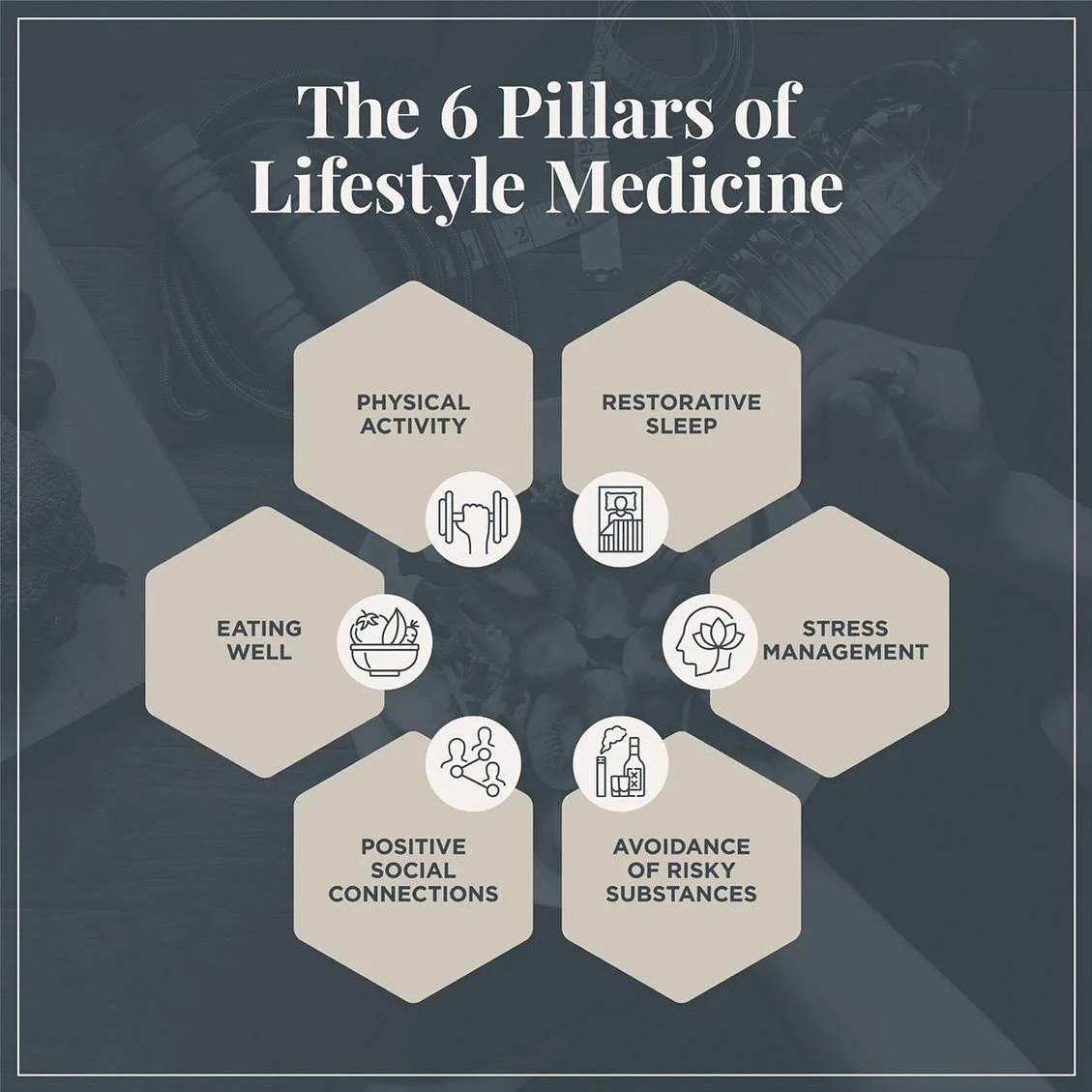
Nutrition is an important component of lifestyle medicine. The approach generally emphasizes minimally processed, nutrient-dense foods and a predominantly plant-based or plant-forward eating pattern. This may include vegetables, fruits, legumes, beans, whole grains, nuts, and seeds, while reducing excessive intake of highly processed foods, added sugars, and unhealthy fats. Rather than promoting a single diet for everyone, lifestyle medicine emphasizes sustainable eating patterns that can support overall health and reduce the risk of chronic disease. Nutrition can also be considered in relation to an individual's medical conditions, cultural preferences, food access, and personal goals.
Regular Physical Activity
Regular movement is another important component of lifestyle medicine. Physical activity can include walking, aerobic exercise, resistance training, recreational activities, stretching, and other forms of movement that are appropriate for an individual's abilities and health status. Consistent physical activity can support cardiovascular health, metabolic functioning, muscle and bone health, mood, energy, and overall quality of life. Lifestyle medicine recognizes that physical activity does not have to involve intensive exercise; increasing everyday movement and finding activities that a person enjoys can make long-term behavioral change more achievable.
Restorative Sleep
Adequate, restorative sleep plays an important role in both physical and mental health. Adults are generally encouraged to obtain approximately seven to nine hours of sleep per night, although individual needs can vary. Poor sleep or insufficient sleep can affect mood, concentration, energy, metabolism, immune functioning, and cardiovascular health. Lifestyle medicine therefore encourages individuals to establish consistent sleep routines and address behavioral or environmental factors that interfere with restful sleep. Persistent sleep problems may also require evaluation for an underlying medical or sleep-related condition.
Stress Management and Emotional Well-Being
Chronic stress can influence both physical and psychological health. Lifestyle medicine encourages individuals to develop healthy strategies for managing stress rather than relying on behaviors that may create additional health problems. Depending on the individual, helpful strategies may include mindfulness, meditation, relaxation exercises, breathing techniques, physical activity, adequate sleep, time in nature, hobbies, counseling, and maintaining supportive relationships. Mental health is an important part of overall health, and lifestyle interventions can complement professional mental health treatment when additional support is needed.
Avoidance of Risky Substances
Lifestyle medicine also emphasizes reducing or avoiding substances that can negatively affect health. This includes tobacco and nicotine products, excessive alcohol use, and other substances that may contribute to physical or psychological harm. Substance use should be approached in a compassionate, nonjudgmental manner because patterns of substance use can be influenced by mental health, trauma, social environment, genetics, stress, and other factors. For individuals experiencing substance use disorders, lifestyle changes may be incorporated into a broader treatment and recovery plan rather than being viewed as a substitute for evidence-based addiction treatment.
Positive Social Connection
Meaningful relationships and social connection are another important component of health. Supportive relationships can provide emotional encouragement, a sense of belonging, practical assistance, and opportunities for shared activities. Social isolation and loneliness, in contrast, can negatively affect well-being. Lifestyle medicine therefore encourages individuals to cultivate healthy relationships and participate in communities that support their physical, emotional, and social well-being. Social connection can include relationships with family and friends as well as involvement in community organizations, support groups, faith communities, recreational groups, or other meaningful social settings.
Health Conditions Addressed Through Lifestyle Medicine
Lifestyle medicine can be incorporated into the prevention and management of many chronic health conditions. It is particularly relevant to conditions that are influenced by nutrition, physical activity, sleep, stress, substance use, and other modifiable health behaviors. Examples include type 2 diabetes, obesity, cardiovascular disease, and high blood pressure.
For individuals with type 2 diabetes, nutrition, physical activity, weight management, sleep, and other lifestyle factors can play an important role in improving metabolic health and supporting blood glucose management. Similarly, lifestyle interventions can help address cardiovascular risk factors such as high blood pressure, elevated cholesterol, physical inactivity, poor nutrition, and tobacco use.
Lifestyle medicine may also be relevant to obesity and weight-related health concerns. Instead of focusing exclusively on weight or calorie restriction, a lifestyle medicine approach considers the broader factors that influence health behaviors, including food quality, physical activity, sleep, stress, psychological well-being, medications, environment, and social circumstances. This broader perspective can help shift the focus toward sustainable improvements in overall health.
Lifestyle Medicine and Mental Health
Lifestyle medicine also has important connections to mental and behavioral health. Physical activity, adequate sleep, nutritious eating patterns, stress management, and social connection can all contribute to psychological well-being. These factors may be particularly relevant for individuals experiencing stress, anxiety, depression, substance use concerns, burnout, or difficulties with motivation and daily functioning.
A lifestyle medicine perspective does not suggest that mental health conditions can simply be resolved through willpower or healthy habits. Mental health conditions are complex and may involve biological, psychological, social, environmental, and genetic factors. Instead, lifestyle interventions can serve as one component of a comprehensive treatment plan that may also include psychotherapy, medication management, peer support, medical care, and other evidence-based interventions.
A Whole-Person Approach
One of the strengths of lifestyle medicine is its emphasis on treating the person rather than focusing exclusively on a diagnosis. Health behaviors are interconnected. For example, inadequate sleep may contribute to fatigue and difficulty exercising, while chronic stress may affect eating habits and substance use. Social isolation may contribute to depression, which can make it more difficult to maintain healthy routines. Addressing several areas simultaneously can therefore create opportunities for positive changes across multiple aspects of health.
Lifestyle medicine also emphasizes gradual, sustainable behavior change. Patients may benefit from identifying small, realistic goals rather than attempting to change every aspect of their lifestyle at once. Working collaboratively with healthcare professionals can help individuals determine which changes are most appropriate and achievable based on their current health, resources, preferences, and readiness for change.
Overall, lifestyle medicine provides a whole-person framework for promoting health and addressing chronic disease. By integrating nutrition, physical activity, restorative sleep, stress management, substance avoidance, and meaningful social connection into healthcare, it seeks to support long-term health and well-being while recognizing that sustainable change is an ongoing process.
A New Life, A Better Life
Establishing new patterns and healthy routines is key to building lasting recovery. It's simple, but not easy. The program is designed to help you on the road to recovery, with those clients in the 12-month tract often seeing the most progress. I will provide practical tools, structure, encouragement and accountability to help you:
Manage stress, triggers and cravings
Navigate emotional difficulties
Redirect intrusive thoughts and feelings
Make healthier lifestyle choices
Find the right support resources
Celebrate recovery milestones