

What We Treat
New Integrated Behavioral Health Models connect mental health and physical health care in the traditional medical setting.
Wenterpersonal relationships (e.g. family conflict, codependency, communication, romantic relationships)
Men’s issues
Perfectionism, procrastination, self-criticism & self-esteem
Self-discovery work
Sleep & insomnia
Spiritual / religious integration & existential issues
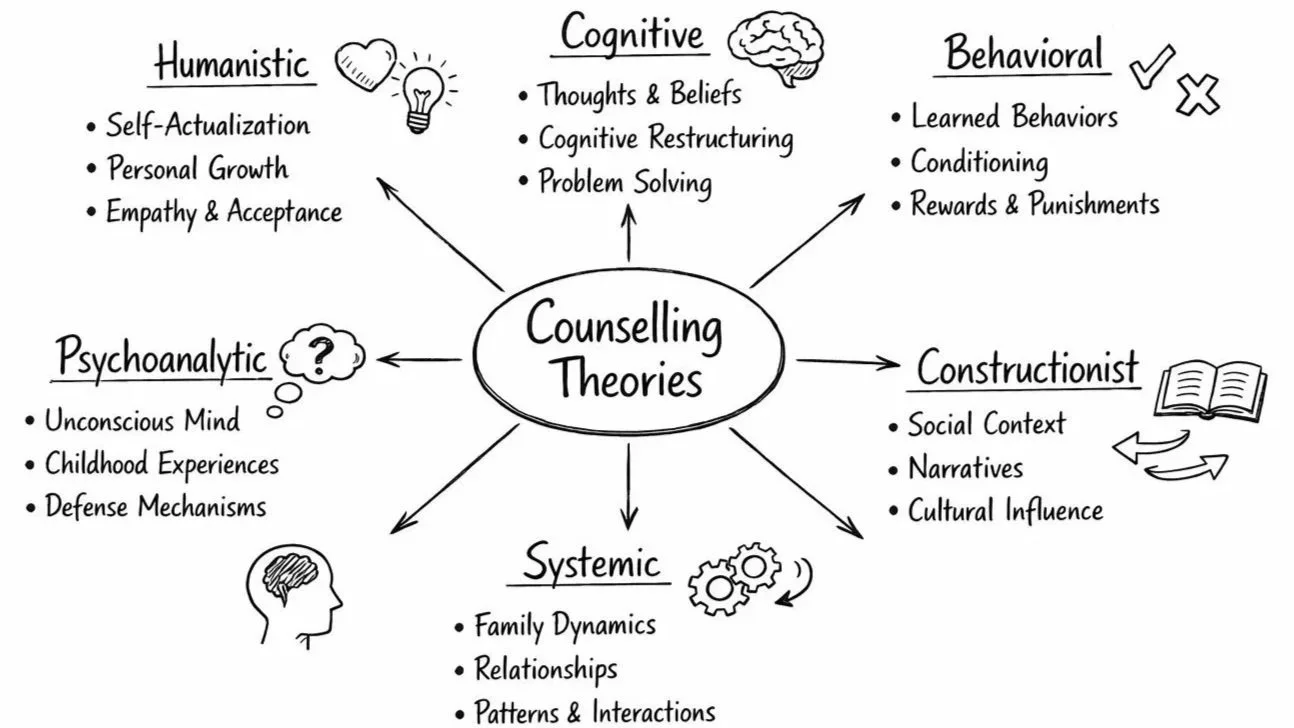
Most Effective Counseling
My approach to therapy is integrative, grounded primarily in Cognitive Behavioral Therapy (CBT), Motivational Interviewing, Trauma-Informed Care, and Person-Centered Therapy.
I understand emotional distress as something that develops through a combination of thought patterns, emotional experiences, behaviors, and life circumstances. Together, we work to make sense of these patterns—identifying what’s keeping you stuck and creating meaningful, realistic ways to move forward.
At the core of my approach is a strong therapeutic relationship. I aim to create a space where you feel genuinely understood, supported, and able to show up as you are—without judgment.
I also take a holistic, trauma-informed, and culturally responsive perspective, recognizing how your identity, environment, and lived experiences shape your mental health.
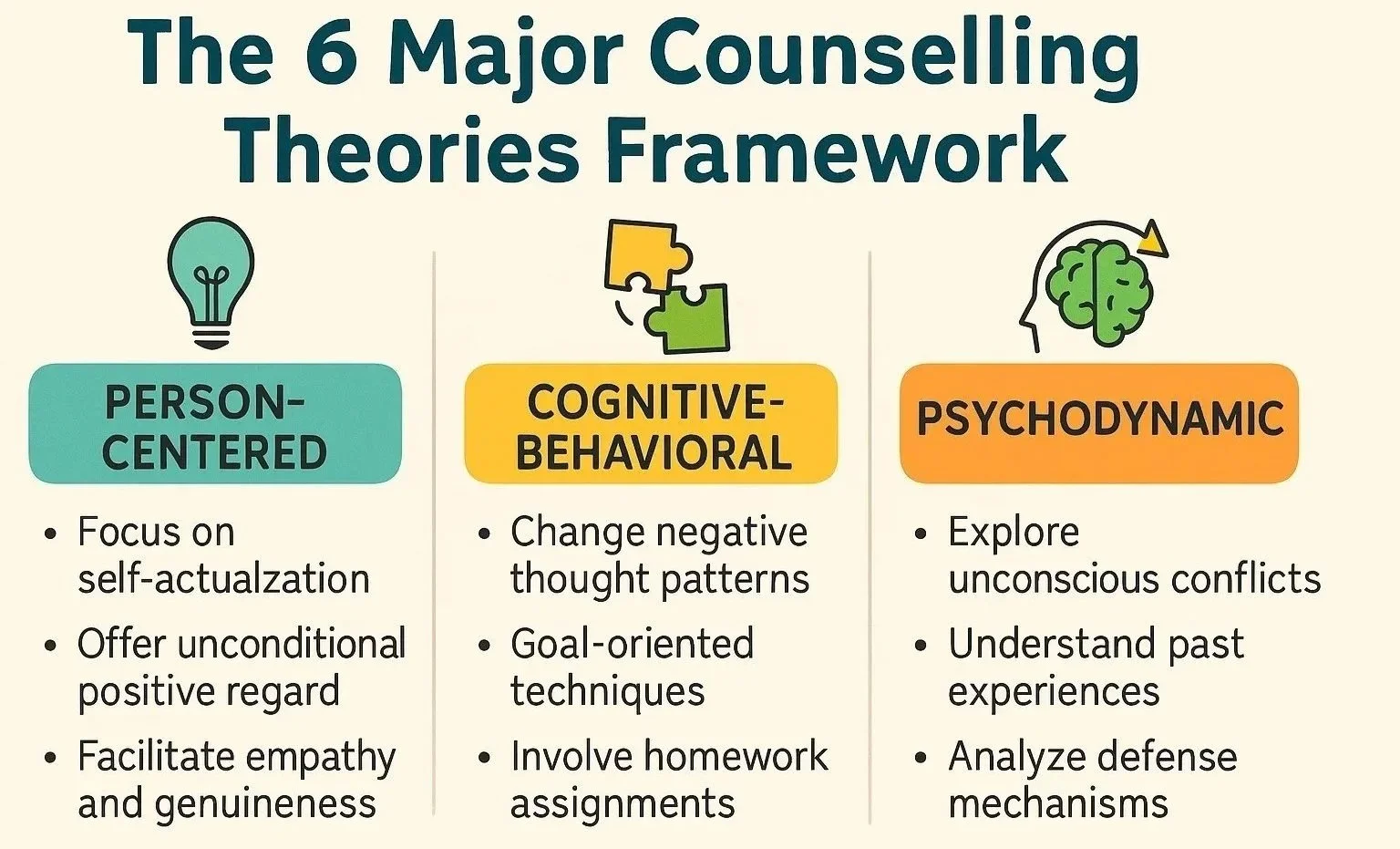
A theoretical framework is essentially a research-backed “map” that guides how I understand your thoughts, emotions, and behaviors. It helps shape the direction of therapy so that what we’re doing has intention and purpose—not guesswork.
You can think of it as a lens I use to understand your experience. Just like a doctor relies on medical knowledge to understand physical symptoms, I draw from psychological theories to make sense of emotional patterns and help guide meaningful change.
Rather than using a one-size-fits-all approach, this framework allows me to choose tools and strategies that are tailored to you.
You might hear terms like counseling approach, therapeutic model, or conceptual framework—they all refer to the same idea.
It’s the foundation behind how I understand what you’re going through and how I decide what might actually help. It allows me to tailor therapy to you, so our work feels focused, relevant, and meaningful.
My goal is to help you build insight, feel more grounded and confident, and develop tools that support lasting change in your daily life.
Mental Health Conditions
-

Anxiety Disorders
-

Depression
-

Substance Use Disorder (SUD)
-

Post-Traumatic Stress Disorder (PTSD)
-

Bipolar Disorder
-

Obsessive-Compulsive Disorder (OCD)
-

Autism
-

Insomnia
-

ADHD (Attention Deficit Hyperactivity Disorder)