


Stigma Around Mental Health
Mental health stigma refers to the negative attitudes, beliefs, stereotypes, and discriminatory behaviors directed toward individuals living with mental health conditions. Despite significant advances in research, treatment, and public awareness, stigma remains one of the greatest barriers preventing people from seeking help and achieving recovery.
Mental health stigma can take many forms. Some people may experience judgment from others, while others internalize society's negative messages and begin to believe those stereotypes about themselves. Stigma can affect relationships, employment opportunities, access to healthcare, and overall quality of life.

What Do Mental Health Counselors Do?
A mental health counselor is a trained professional with the necessary expertise to help those who are suffering from a number of disorders including anxiety or depression. An incoming client has identified that they need help in dealing with their mental health symptoms or they want to discuss a difficult life experience. This individual has identified that they have a problem and want to overcome that problem. They need your assistance in order to do so.
The need for mental well-being is everywhere: in schools, at home dealing with the loss of a loved one, or in a facility helping someone overcoming an addiction.
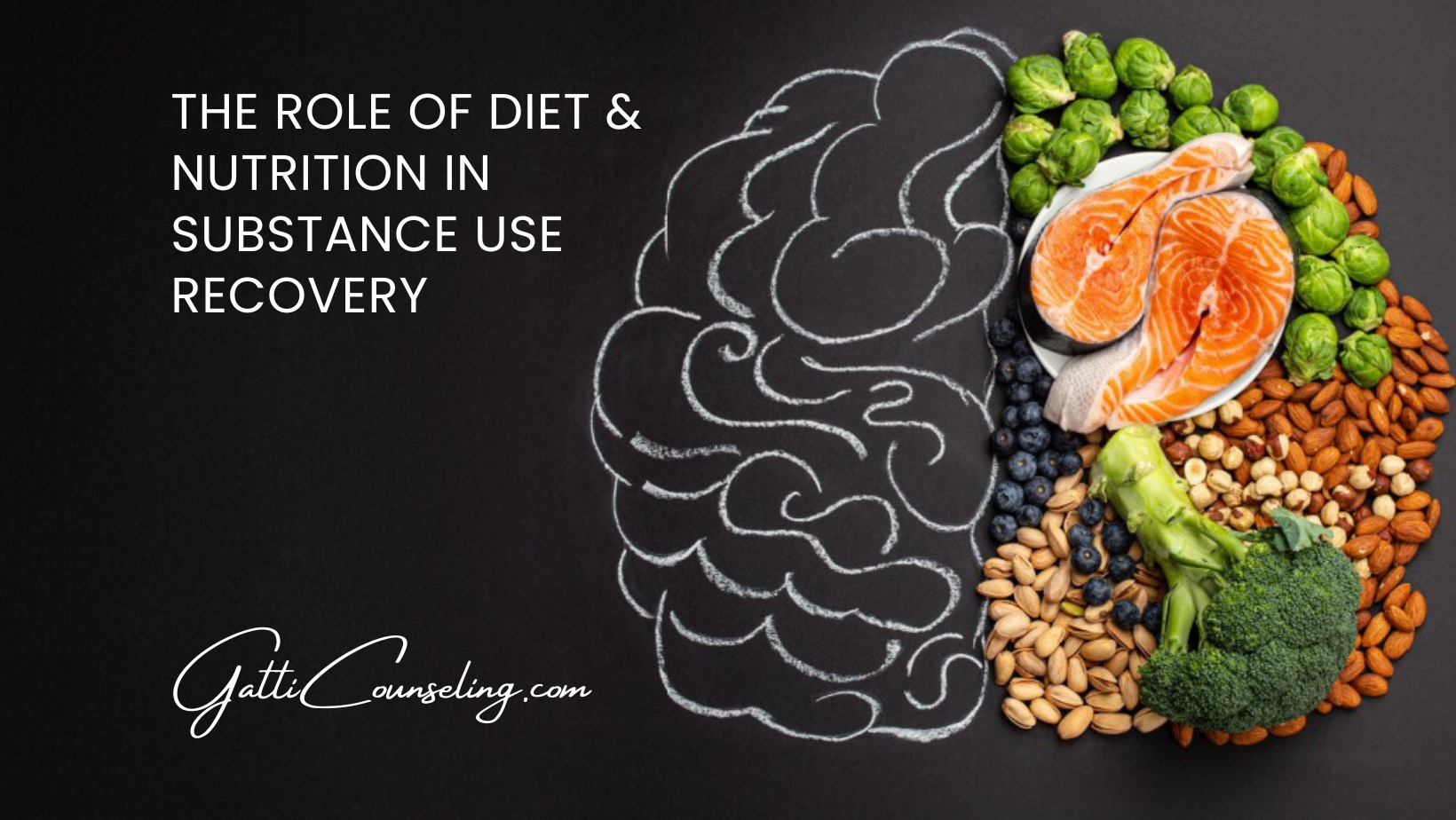
The Role of Diet & Nutrition in Substance Use Recovery
Recovery from substance use is about far more than stopping alcohol or drugs. Healing also involves rebuilding the body, restoring energy, improving mental health, and learning healthier ways to care for yourself. One of the most overlooked parts of recovery is nutrition.
Substance use affects the body in powerful ways. Drugs and alcohol can interfere with appetite, digestion, sleep, metabolism, hydration, and the body’s ability to absorb nutrients.
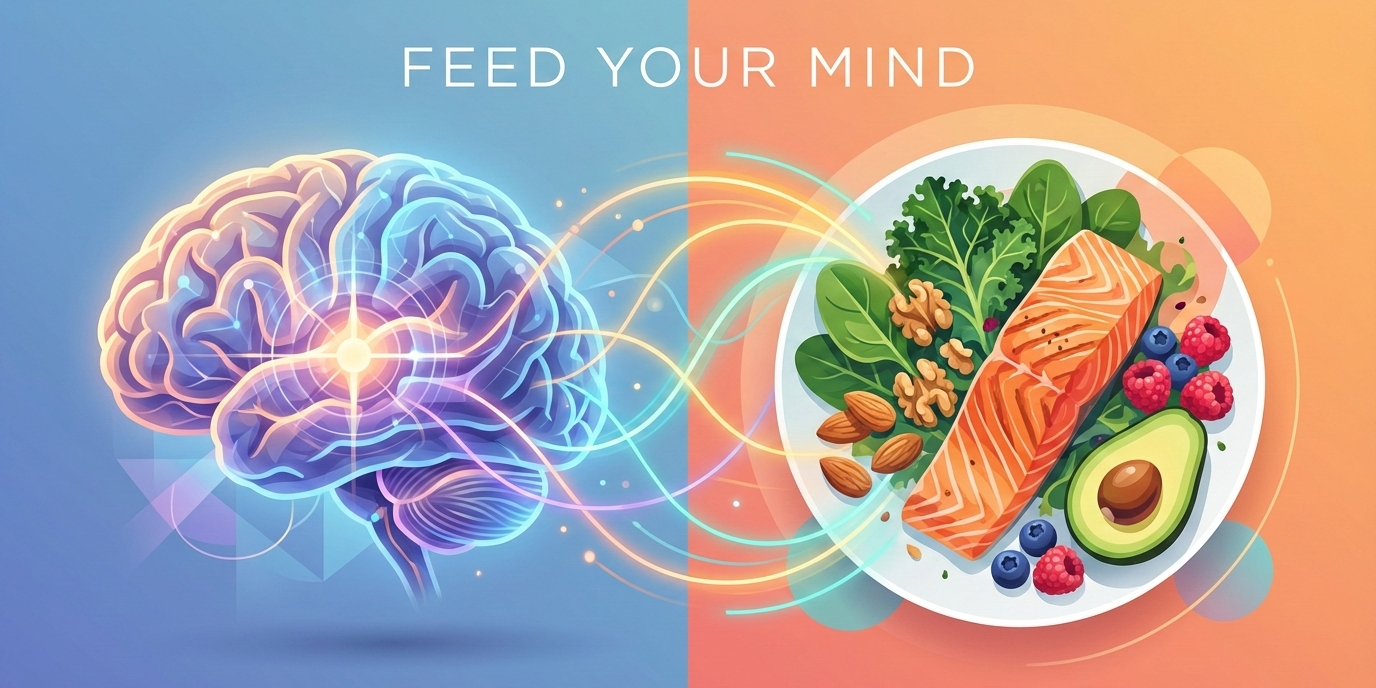
The Importance of Understanding Your Eating Habits
Learning about your relationship with food can help improve your eating behaviors and patterns. You’ve just eaten too much pizza and too many wings. And now, you’re beating yourself up for overeating and not making the smartest food decisions. We’ve all been there. It can be easy to get into a habit of self-blame, shame, guilt and regret.
But it’s important that you understand your relationship with food: The how and why of what we eat. Learning more about food psychology can help change how you view food and provide you with a set of tools and tips to improve your relationship with food.
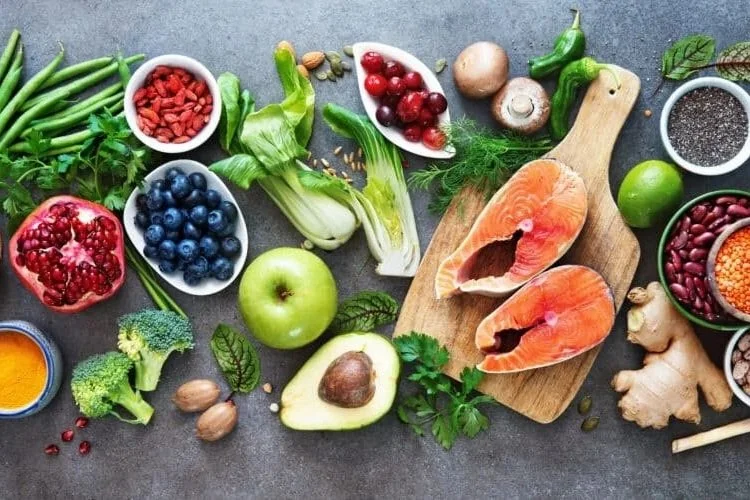
Eat These Foods to Speed Up Recovery After Surgery
Recovery speed and effectiveness after orthopedic surgery are largely determined by what we eat. Not only does our body need more calories to recover, but surgery also causes a stress reaction in the body that elevates the metabolism and increases our need for calories. If we don’t fuel our recovery with the proper foods, complications are more likely to arise. Curious what foods could help speed up your recovery after surgery? Read below for our top recommendations.

Nutrition After Surgery and Calorie Needs
You’ve been injured or will be having surgery. Now you must prepare your body for the healing process ahead. Your body needs nutrients (carbohydrates, protein, fat, vitamins, minerals and water) to support the repair process. Here are a few tips to speed your recovery and make things a little easier to handle.

Psychological and Nutritional Counseling
Nutritional psychology is an exciting and evolving field that investigates the intricate bidirectional relationship between our diets and mental health. It delves into how the foods we consume influence our mood, cognition, and behaviors, while also exploring how our mental states can impact our dietary choices. By merging the principles of nutritional science with psychological insights, this discipline aims to address mental health conditions, such as depression, through dietary interventions that prioritize nutrient-dense foods over those that are processed and laden with sugar or unhealthy fats.

How to Overcome Social Anxiety
In this article, we outline ways to cope with mild social anxiety and provide helpful tips, tricks, and exercises to help you prepare for upcoming social occasions. Before we begin, it’s important to note that social anxiety differs from social anxiety disorder, which is a clinical disorder. These two can be confused with each other because they are closely related, but this post focuses on mild social anxiety only.
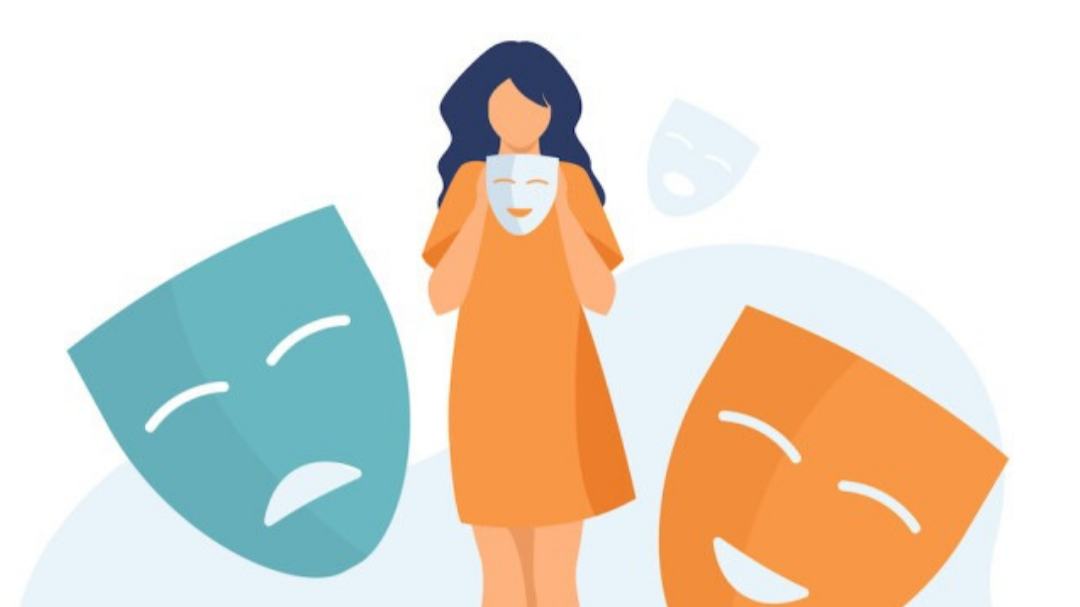
“I’m Not Good Enough”
Feeling like we’re “not enough” or “not good enough” is a negative mental attitude or mindset. It involves negative self-talk that is underpinned by deep-seated feelings of inadequacy and insecurity across different aspects of our lives. At its core, feeling not good enough boils down to a struggle with self-esteem and feelings of unworthiness, a belief that we don’t deserve love, family, friendships, and success in our lives.
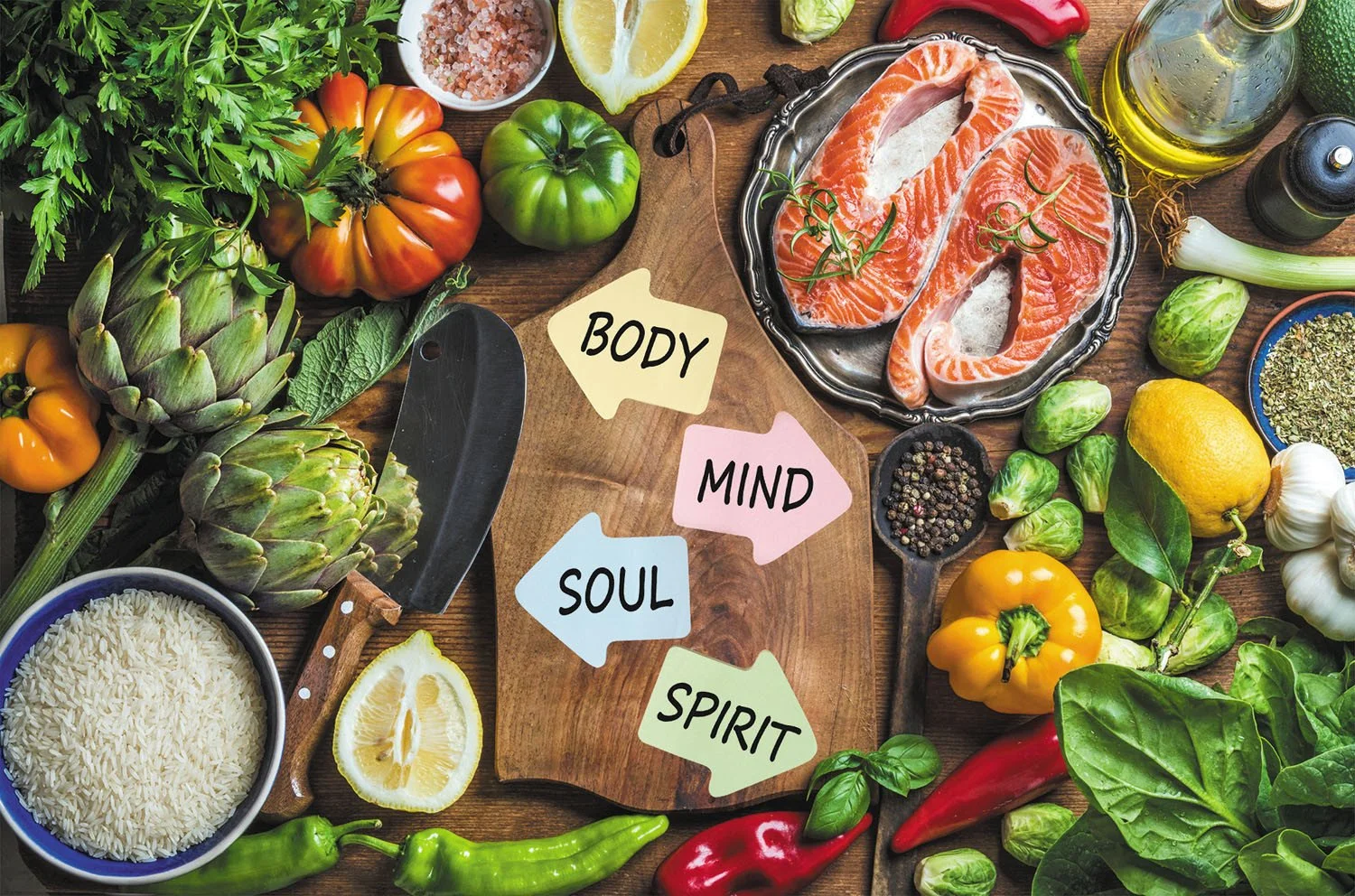
How Mental Health & Nutrition Counseling Are Linked
Nutrition and mental health counseling are intricately linked, offering a comprehensive approach to understanding the gut-brain connection. By focusing on dietary practices, these two fields work together to enhance mood, minimize inflammation, and optimize brain functionality, all while providing vital psychological support. This integrated method is particularly effective in managing various conditions, including depression, anxiety, and ADHD. It employs tailored eating strategies, emphasizes nutrient-rich foods, and promotes behavioral changes that foster overall well-being.

How Do I Know If I Need Anger Management?
Anger management is how we handle situations that make us angry. It’s also a form of cognitive behavioral therapy (sometimes, called talk therapy) that can take place in one-on-one or group counseling. You might even take an anger management class. In anger management therapy, you’ll work with a mental healthcare provider to recognize when you’re angry and develop coping skills and strategies so you can deal with these feelings in a way that’s healthy and sustainable for you. You’ll learn about:
What causes anger and how people express it.
Problem-solving and communication skills.
Relaxation techniques.

How To Control Anger by Understanding Triggers?
There are many situations when things don’t go the way we want them to. When you look outside and even inside your family, not everything happens as you wish it to happen. Other people might do certain things that go completely against your values or expectations.
There might also be times when even a small conversation triggers something deep within you. Anger is a natural emotion. One never intends to get angry unnecessarily. In most cases, we think we got angry because of a particular situation, a person, or an event.